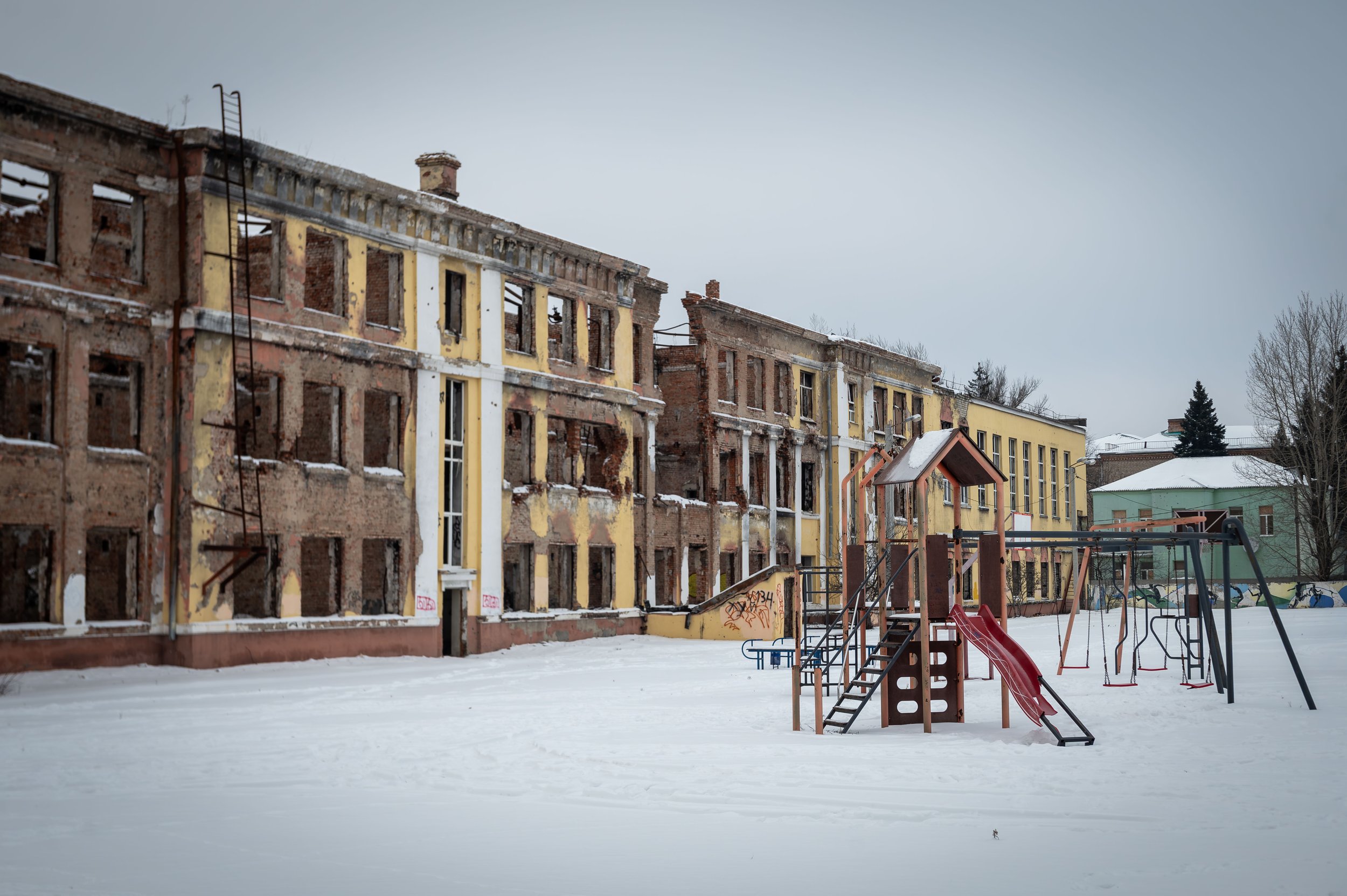
In Kyiv, power and heating cuts forced schools to close in the middle of winter. Empty classrooms, cold radiators, blackboards. In some schools, air-raid shelters are ready to receive students and teachers at the slightest alert. School has not disappeared; it continues in another form: keeping a rhythm, preserving a childhood, holding together.
In Chernihiv, near the Belarusian border, classes continue in underground shelters. Air-raid alerts sometimes interrupt lessons, but the school framework remains. Teachers also become emotional anchors for young people. School protects as much as it educates. In Kharkiv, some metro stations have been turned into temporary schools. Several meters underground, children attend classes while trains continue to run nearby. At the exits of the classrooms set up along the platforms, soldiers stand guard. In rural areas such as Kehychivka, schooling alternates between in-class attendance in the morning and distance learning. Learning constantly adapts to security and energy constraints.
Learning in the shadow of war means growing up with an early awareness of danger. It means doing homework while a siren wails in the distance. It means making messages for soldiers at the front by tracing the outline of one’s hand on a sheet of paper. Keeping education going has become a political act, a refusal to let war decide the future. For while the front line delineates a territory, education delineates a future.
Story available to the press, on commission or through the photo library.Request a license
The story
35 images
Ukraine, Kharkiv, 2026-01-21. Schoolchildren attend classes inside an underground air raid shelter in Kyiv Chernihiv Kehychivka and Kharkiv Ukraine amid the ongoing war following the Russian full…

Ukraine, Kiev, 2026-01-19. Civilians take shelter inside an invincibility point a heated tent set up by Ukrainian authorities to support the population during power outages caused by repeated…

Ukraine, Kiev, 2026-01-19. Civilians take shelter inside an invincibility point a heated tent set up by Ukrainian authorities to support the population during power outages caused by repeated…

Ukraine, Kiev, 2026-01-19. Civilians take shelter inside an invincibility point a heated tent set up by Ukrainian authorities to support the population during power outages caused by repeated…

Ukraine, Kiev, 2026-01-19. Civilians take shelter inside an invincibility point a heated tent set up by Ukrainian authorities to support the population during power outages caused by repeated…
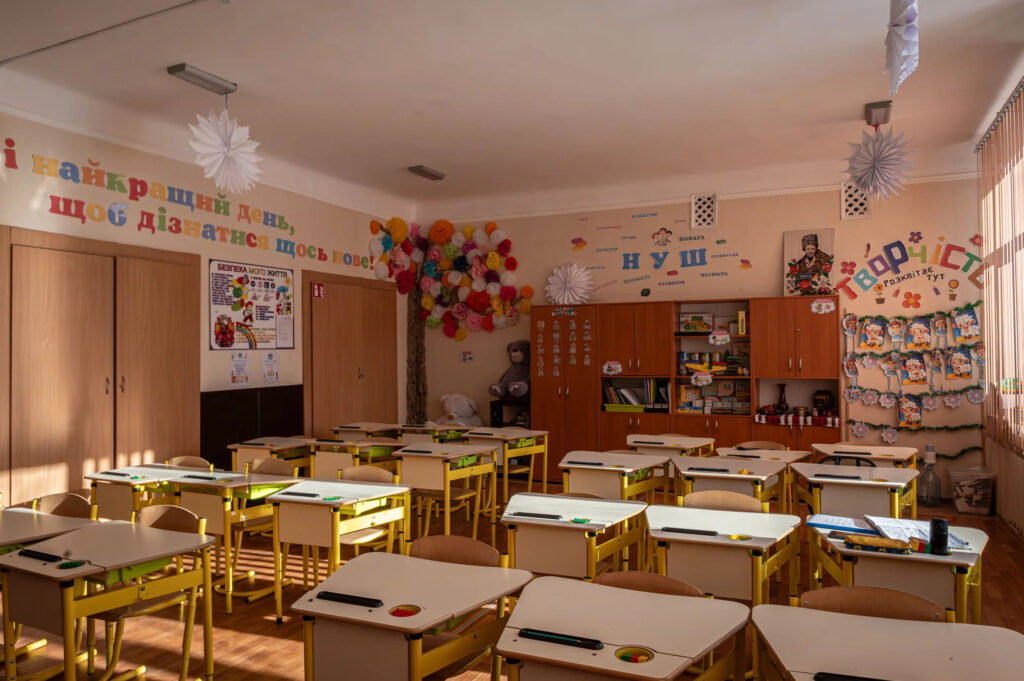
Ukraine, Kiev, 2026-01-19. Children attend lessons inside a bomb shelter in Kiev and underground metro stations in Kharkiv as the war in Ukraine continues. Following repeated Russian missile and…

Ukraine, Kiev, 2026-01-19. Children attend lessons inside a bomb shelter in Kiev and underground metro stations in Kharkiv as the war in Ukraine continues. Following repeated Russian missile and…

Ukraine, Kiev, 2026-01-19. Children attend lessons inside a bomb shelter in Kiev and underground metro stations in Kharkiv as the war in Ukraine continues. Following repeated Russian missile and…

Ukraine, Kiev, 2026-01-19. Children attend lessons inside a bomb shelter in Kiev and underground metro stations in Kharkiv as the war in Ukraine continues. Following repeated Russian missile and…

Ukraine, Kiev, 2026-01-19. Children attend lessons inside a bomb shelter in Kiev and underground metro stations in Kharkiv as the war in Ukraine continues. Following repeated Russian missile and…

Ukraine, Kiev, 2026-01-19. Children attend lessons inside a bomb shelter in Kiev and underground metro stations in Kharkiv as the war in Ukraine continues. Following repeated Russian missile and…

Ukraine, Kharkiv, 2026-01-21. Schoolchildren attend classes inside an underground air raid shelter in Kyiv Chernihiv Kehychivka and Kharkiv Ukraine amid the ongoing war following the Russian full…

Ukraine, Kharkiv, 2026-01-21. Schoolchildren attend classes inside an underground air raid shelter in Kyiv Chernihiv Kehychivka and Kharkiv Ukraine amid the ongoing war following the Russian full…

Ukraine, Kharkiv, 2026-01-21. Schoolchildren attend classes inside an underground air raid shelter in Kyiv Chernihiv Kehychivka and Kharkiv Ukraine amid the ongoing war following the Russian full…

Ukraine, Kharkiv, 2026-01-21. Schoolchildren attend classes inside an underground air raid shelter in Kyiv Chernihiv Kehychivka and Kharkiv Ukraine amid the ongoing war following the Russian full…

Ukraine, Kharkiv, 2026-01-21. Schoolchildren attend classes inside an underground air raid shelter in Kyiv Chernihiv Kehychivka and Kharkiv Ukraine amid the ongoing war following the Russian full…
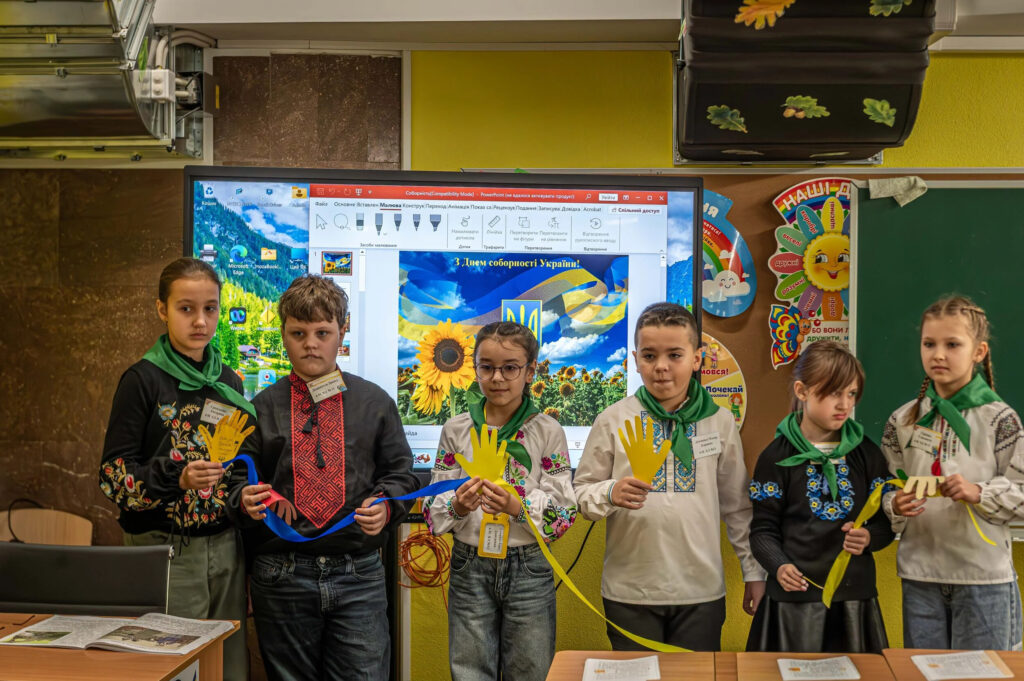
Ukraine, Kharkiv, 2026-01-21. Schoolchildren attend classes inside an underground air raid shelter in Kyiv Chernihiv Kehychivka and Kharkiv Ukraine amid the ongoing war following the Russian full…

Ukraine, Kharkiv, 2026-01-21. Schoolchildren attend classes inside an underground air raid shelter in Kyiv Chernihiv Kehychivka and Kharkiv Ukraine amid the ongoing war following the Russian full…

Ukraine, Kharkiv, 2026-01-21. Schoolchildren attend classes inside an underground air raid shelter in Kyiv Chernihiv Kehychivka and Kharkiv Ukraine amid the ongoing war following the Russian full…

Ukraine, Kharkiv, 2026-01-21. Schoolchildren attend classes inside an underground air raid shelter in Kyiv Chernihiv Kehychivka and Kharkiv Ukraine amid the ongoing war following the Russian full…

Ukraine, Kharkiv, 2026-01-21. Schoolchildren attend classes inside an underground air raid shelter in Kyiv Chernihiv Kehychivka and Kharkiv Ukraine amid the ongoing war following the Russian full…

Ukraine, Kiev, 2026-01-19. Children attend lessons inside a bomb shelter in Kiev and underground metro stations in Kharkiv as the war in Ukraine continues. Following repeated Russian missile and…

Ukraine, Kiev, 2026-01-19. Children attend lessons inside a bomb shelter in Kiev and underground metro stations in Kharkiv as the war in Ukraine continues. Following repeated Russian missile and…

Ukraine, Kiev, 2026-01-19. Children attend lessons inside a bomb shelter in Kiev and underground metro stations in Kharkiv as the war in Ukraine continues. Following repeated Russian missile and…

Ukraine, Kharkiv, 2026-01-21. Schoolchildren attend classes inside an underground air raid shelter in Kyiv Chernihiv Kehychivka and Kharkiv Ukraine amid the ongoing war following the Russian full…

Ukraine, Kharkiv, 2026-01-21. Schoolchildren attend classes inside an underground air raid shelter in Kyiv Chernihiv Kehychivka and Kharkiv Ukraine amid the ongoing war following the Russian full…

Ukraine, Kharkiv, 2026-01-21. Schoolchildren attend classes inside an underground air raid shelter in Kyiv Chernihiv Kehychivka and Kharkiv Ukraine amid the ongoing war following the Russian full…

Ukraine, Kharkiv, 2026-01-21. Schoolchildren attend classes inside an underground air raid shelter in Kyiv Chernihiv Kehychivka and Kharkiv Ukraine amid the ongoing war following the Russian full…

Ukraine, Kharkiv, 2026-01-21. Schoolchildren attend classes inside an underground air raid shelter in Kyiv Chernihiv Kehychivka and Kharkiv Ukraine amid the ongoing war following the Russian full…
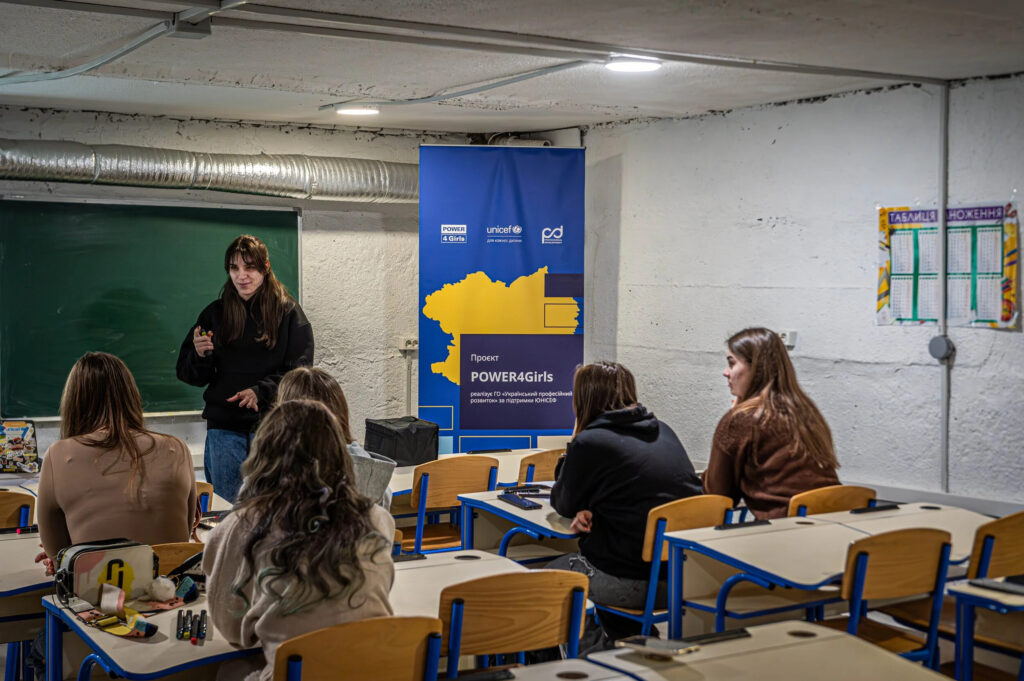
Children attend classes under ground or in damaged school buildings as the war in Ukraine continues. Between Kyiv Chernihiv Kharkiv and rural areas of the Kharkiv region students teachers and…

Children attend classes under ground or in damaged school buildings as the war in Ukraine continues. Between Kyiv Chernihiv Kharkiv and rural areas of the Kharkiv region students teachers and…

Children attend classes under ground or in damaged school buildings as the war in Ukraine continues. Between Kyiv Chernihiv Kharkiv and rural areas of the Kharkiv region students teachers and…

Children attend classes under ground or in damaged school buildings as the war in Ukraine continues. Between Kyiv Chernihiv Kharkiv and rural areas of the Kharkiv region students teachers and…
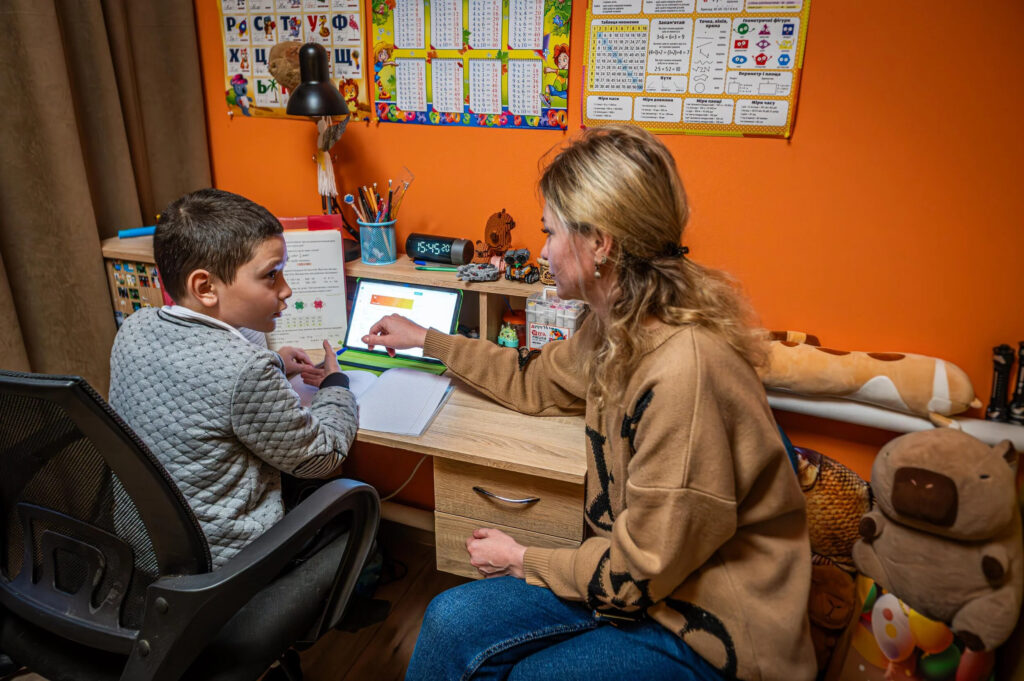
Children attend classes under ground or in damaged school buildings as the war in Ukraine continues. Between Kyiv Chernihiv Kharkiv and rural areas of the Kharkiv region students teachers and…