In October and November each year, the bay of Kireçburnu, in the north of the Bosphorus, turns into a vast fishing ground. Purse seiners arrive in waves and deploy immense circular nets, up to 1,000 to 1,500 meters long, watching for passing schools of bonito, a cousin of the tuna and a fish highly prized by Istanbul's residents. A migratory species, the bonito makes its way through the strait in early winter, leaving the Black Sea, its breeding ground, for the warmer waters of the Aegean. Within weeks, the Bosphorus becomes a deadly trap.
The 2026 season is proving exceptional, quite possibly one of the most bountiful since the turn of the century. Within days, dozens of boats from all along the Black Sea coastline crowd this stretch of the strait, unloading tens of thousands of crates of bonito. Fishmongers' stalls overflow and prices plummet, to the delight of consumers and restaurateurs alike. Yet this rush for the Bosphorus' white gold has a darker side: pollution, plastic waste, ghost nets piling up on the floor of the strait and, above all, overfishing fuelled by ever-growing catches. Behind the euphoria on the quays, one question looms: how long can the strait sustain this frenzy?
Story available to the press, on commission or through the photo library.Request a license
The story
17 images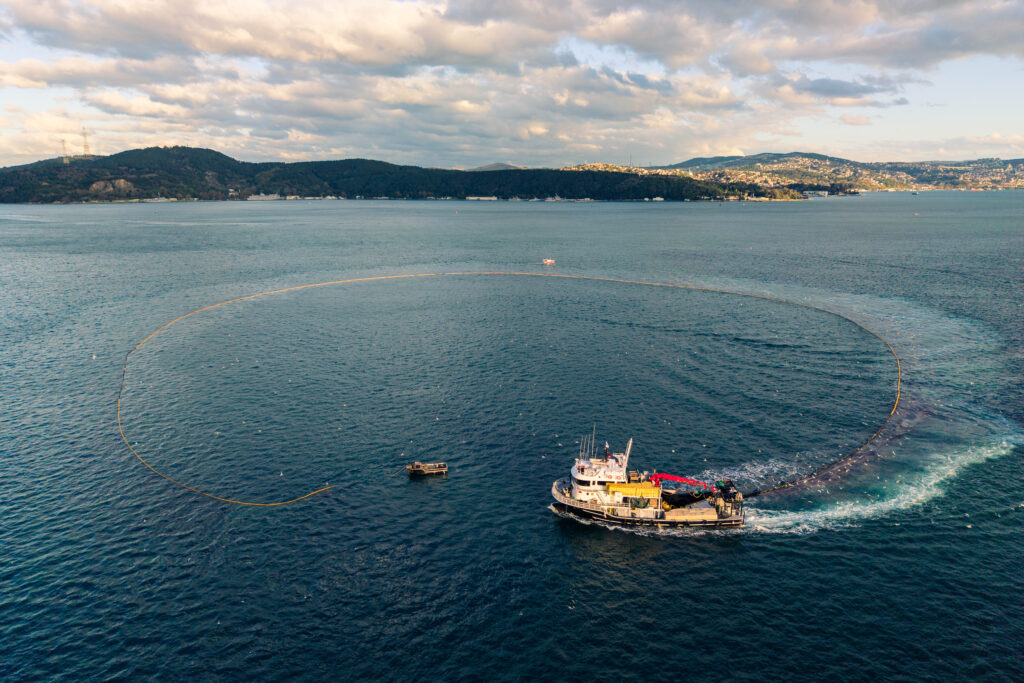
Turkiye, Istanbul, 2026-11-07. A purse seiner, a fishing boat practicing the purse seine technique, deploys its net in Sariyer Bay, in the north of the Bosphorus. The fishing net, called a seine…
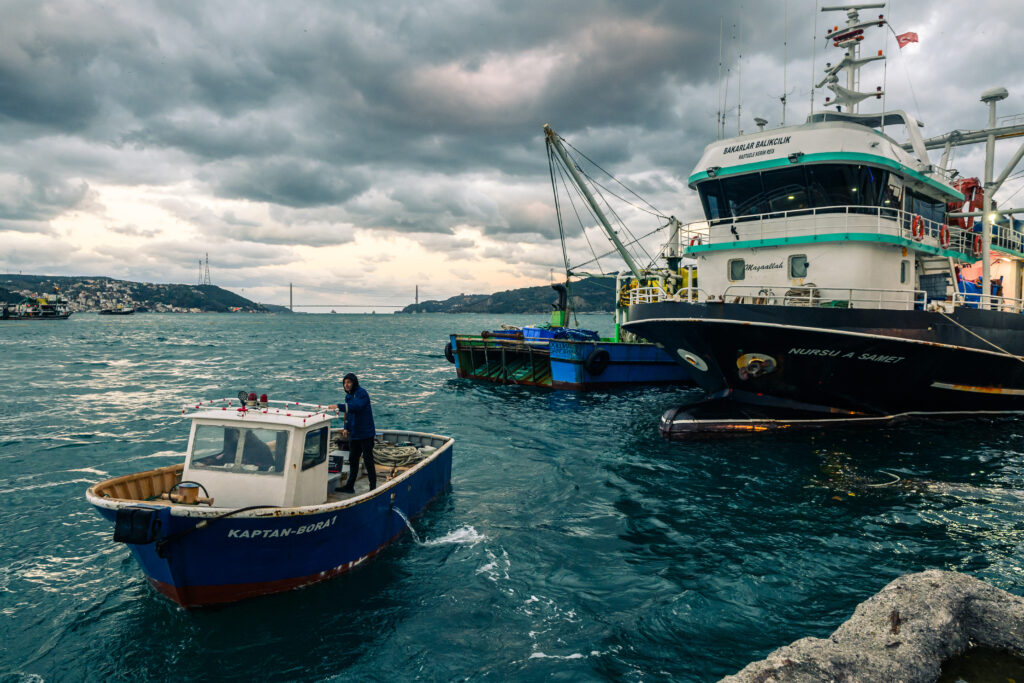
Turkiye, Istanbul, 2026-11-07. Returning from fishing, the purse seiner Nursu A Samet, a fishing boat using the purse seine technique, is moored at the Kirecburnu quay, in the north of the…
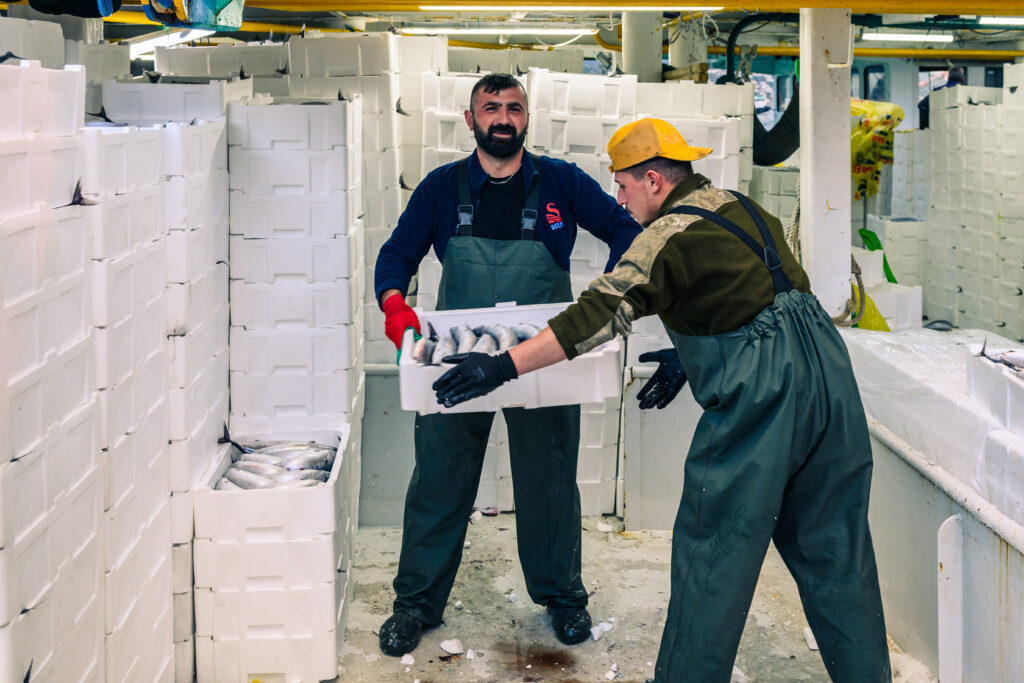
Turkiye, Istanbul, 2026-11-07. The crew of the Nursu A Samet boat unloads fresh bonito fish on the docks of Kirecburnu, in the north of the Bosphorus Strait. It just returned from fishing with an…
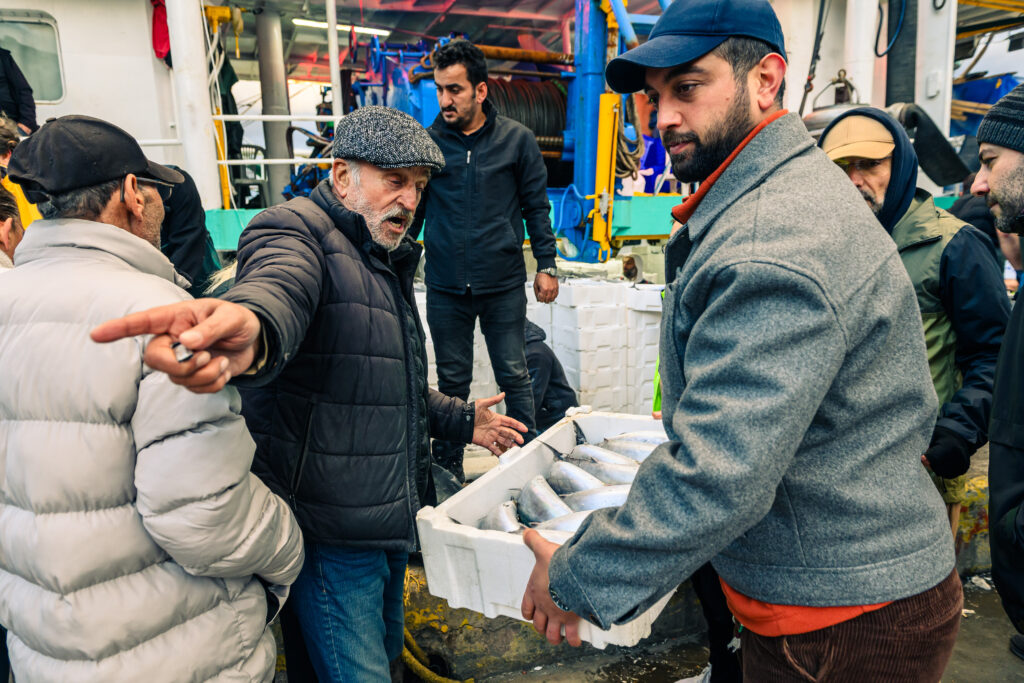
Turkiye, Istanbul, 2026-11-07. The crew of the Nursu A Samet boat is selling fresh bonito fish on the docks of Kirecburnu, in the north of the Bosphorus Strait. It just returned from fishing with an…
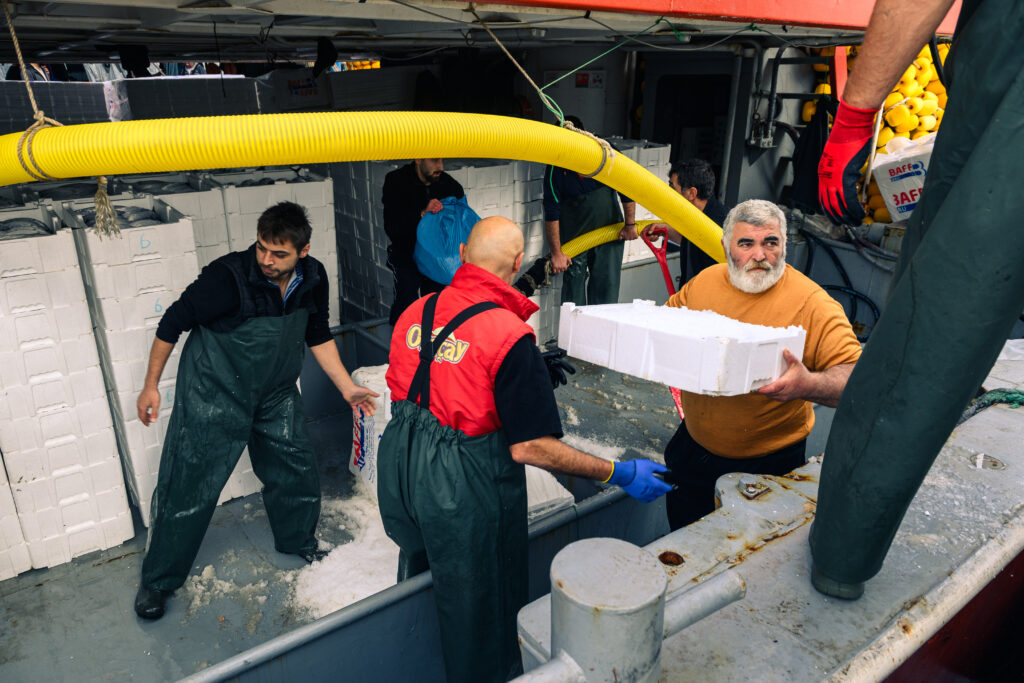
Turkiye, Istanbul, 2026-11-01. The crew of the Serkan Karadeniz fishing boat is unloading the catch of the day on the docks of Kirecburnu, in the north of the Bosphorus Strait. It is composed of…
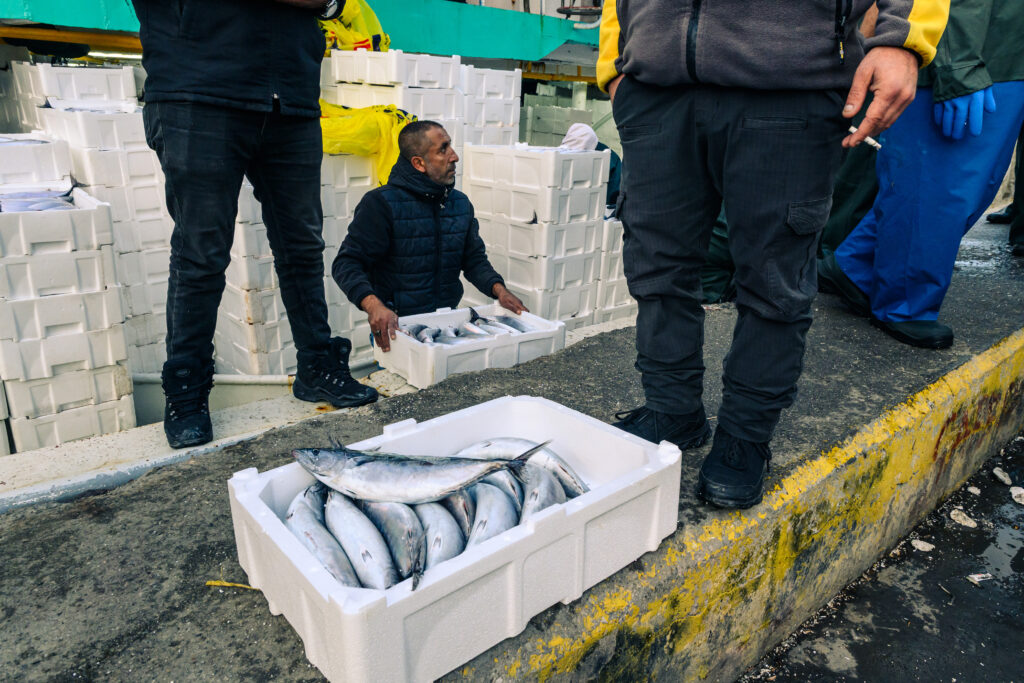
Turkiye, Istanbul, 2026-11-07. The crew of the Nursu A Samet boat unloads fresh bonito fish on the docks of Kirecburnu, in the north of the Bosphorus Strait. It just returned from fishing with an…
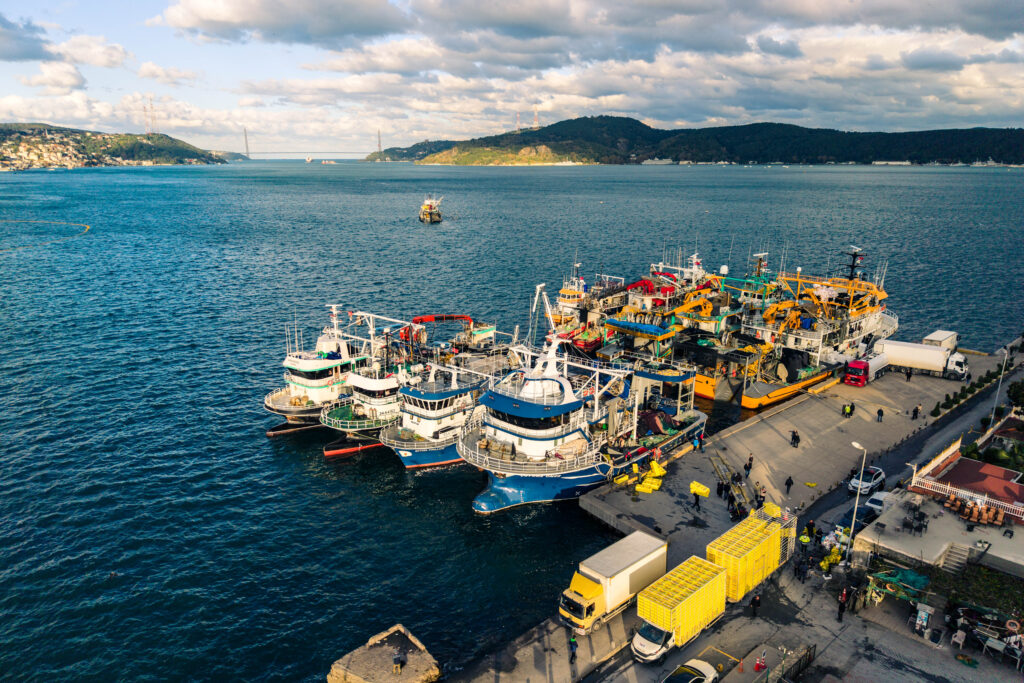
Turkiye, Istanbul, 2026-11-07. Workers load polystyrene boxes onto the purse seiner Sutura Omer, a large fishing boat moored at the Kirecburnu quay in the northern Bosphorus. The bonito fishing…
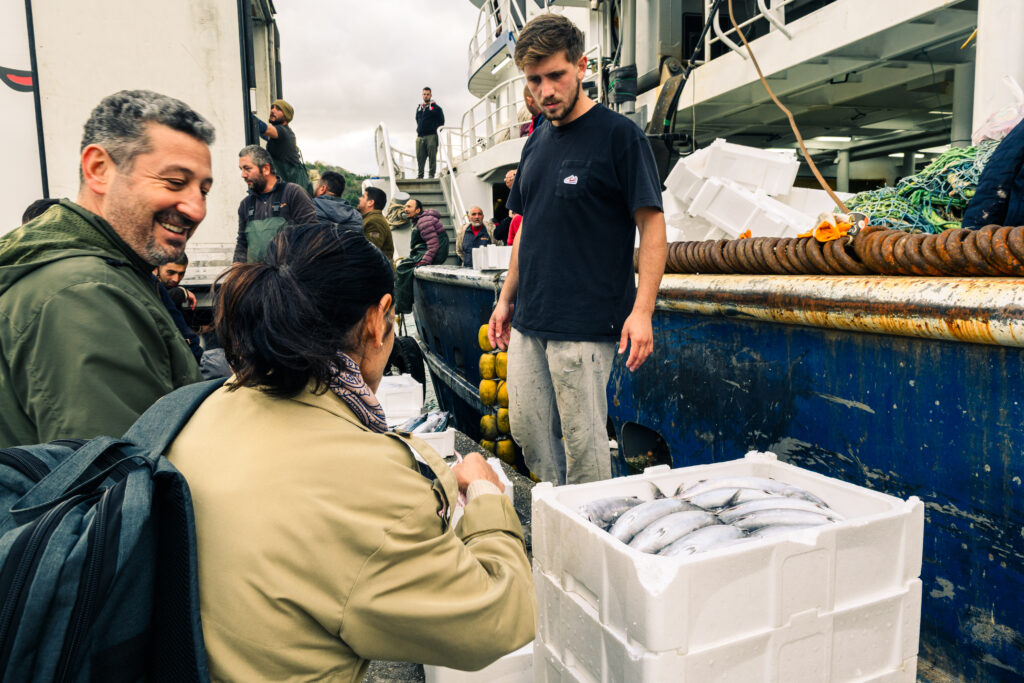
Turkiye, Istanbul, 2026-11-07. The crew of the boat Sutura Omer is selling fresh bonito fish on the docks of Kirecburnu, in the north of the Bosphorus Strait. This large boat just returned from…

Turkiye, Istanbul, 2026-11-01. The crew of the Nursu A Samet boat is selling fresh bonito fish on the docks of Kirecburnu, in the north of the Bosphorus Strait, as it just returned from fishing.
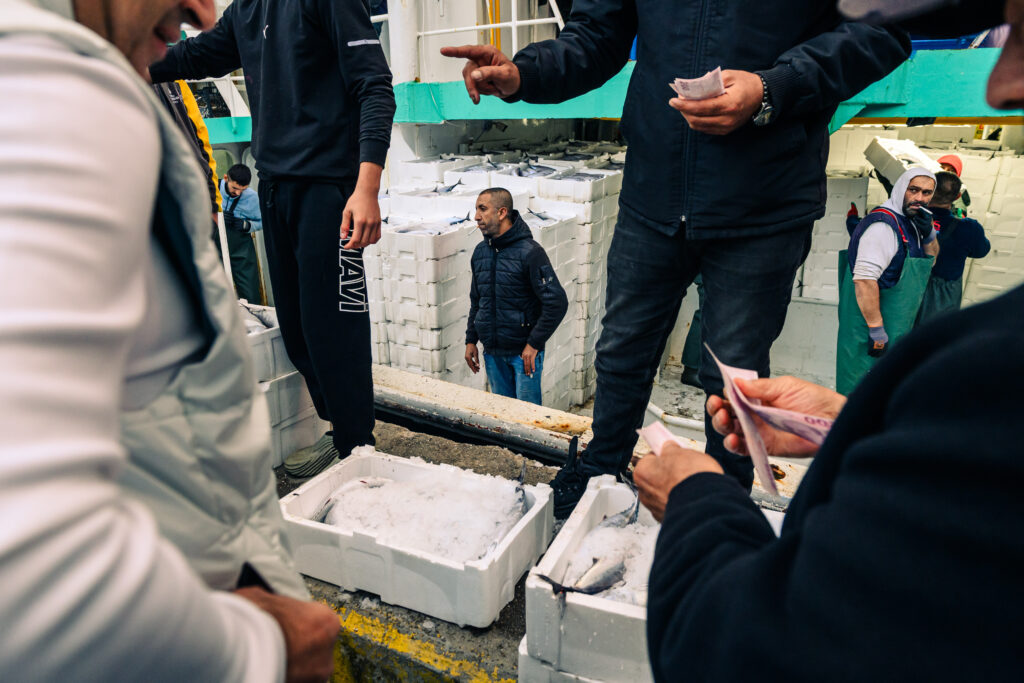
Turkiye, Istanbul, 2026-11-07. The crew of the Nursu A Samet boat is selling fresh bonito fish on the docks of Kirecburnu, in the north of the Bosphorus Strait. It just returned from fishing with an…
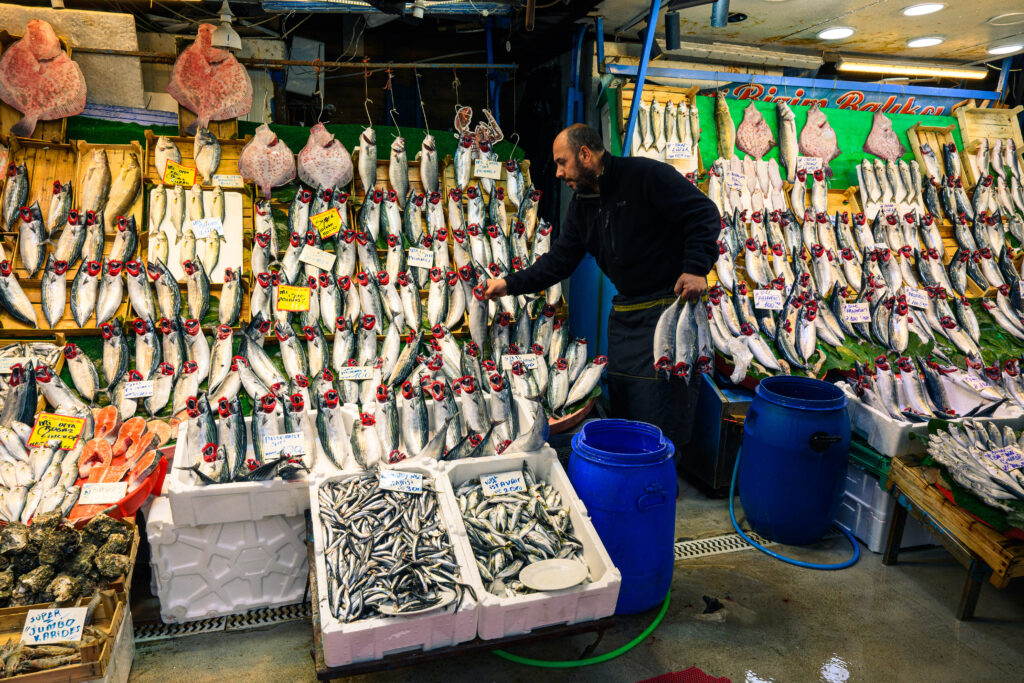
Turkiye, Istanbul, 2026-11-11. At the Besitkas fish market, bonito fish (palamut in Turkish), recognizable by its red gills highlighted as a sign of freshness, is over-represented on the stalls…
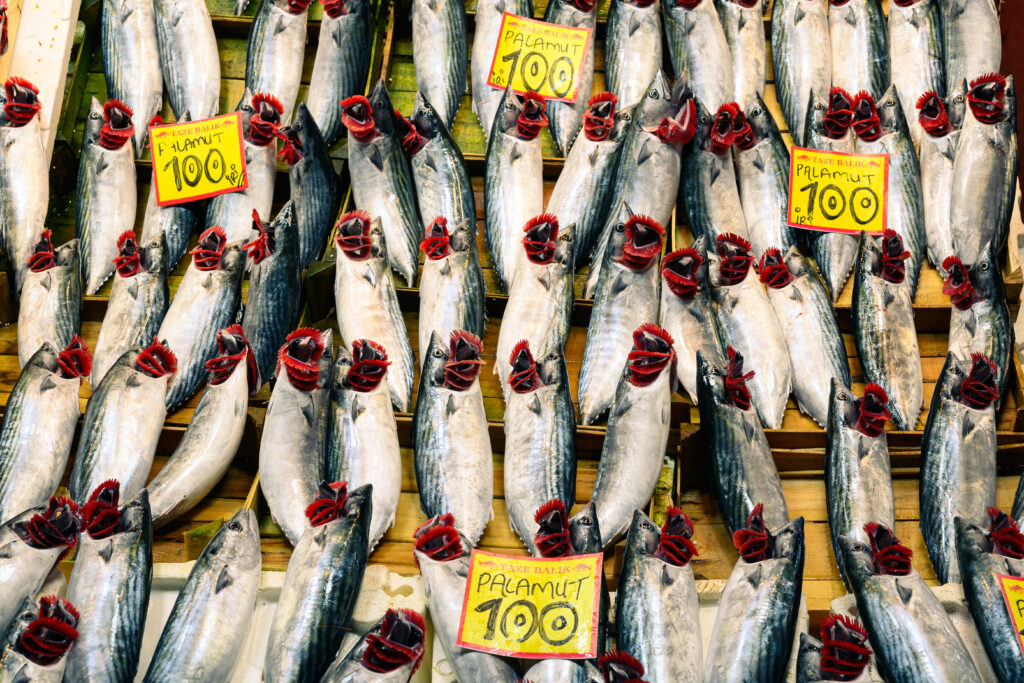
Turkiye, Istanbul, 2026-11-11. At the Besitkas fish market, bonito fish (palamut in Turkish), recognizable by its red gills highlighted as a sign of freshness, is over-represented on the stalls…
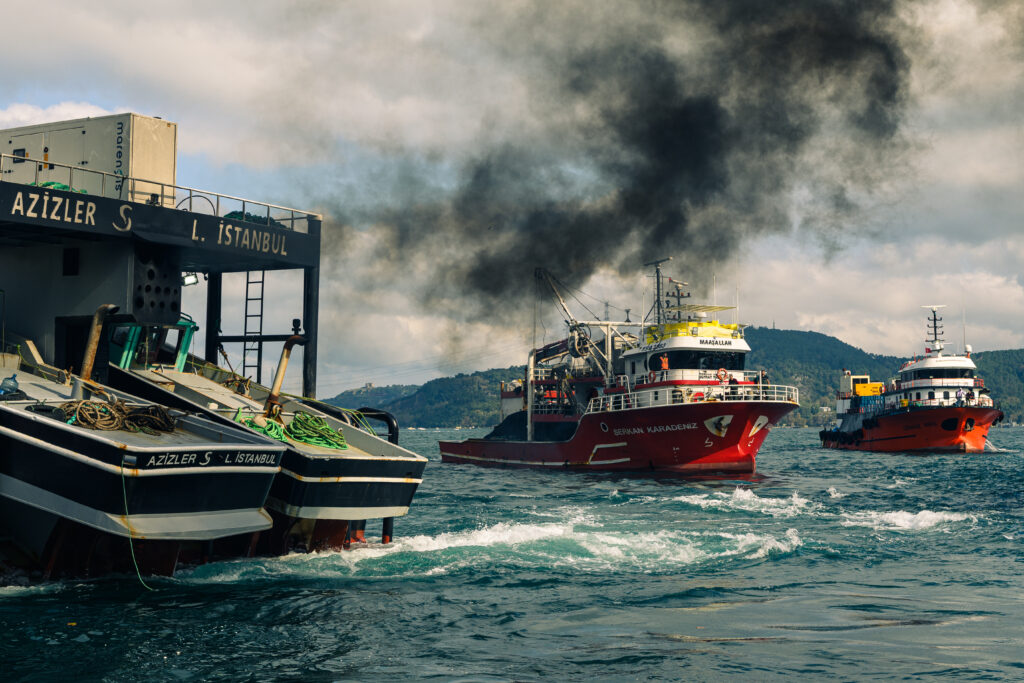
Turkiye, Istanbul, 2026-11-01. Purse seiners, boats practicing purse seine fishing, approach the Kirecburnu quay in the north of the Bosphorus. This year, an unusual number of boats from across the…
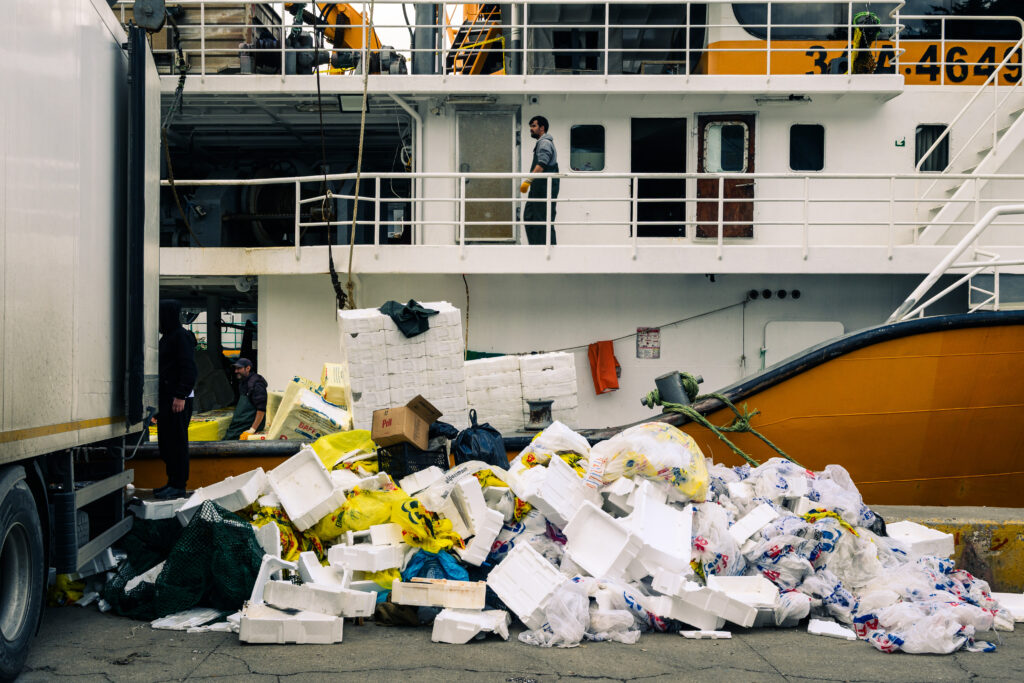
Turkiye, Istanbul, 2026-11-07. A pile of waste, including many broken polystyrene boxes, is littered on the dock of Kirecburnu. Thousands of boxes of polystyrene are used by fishing boats to store…
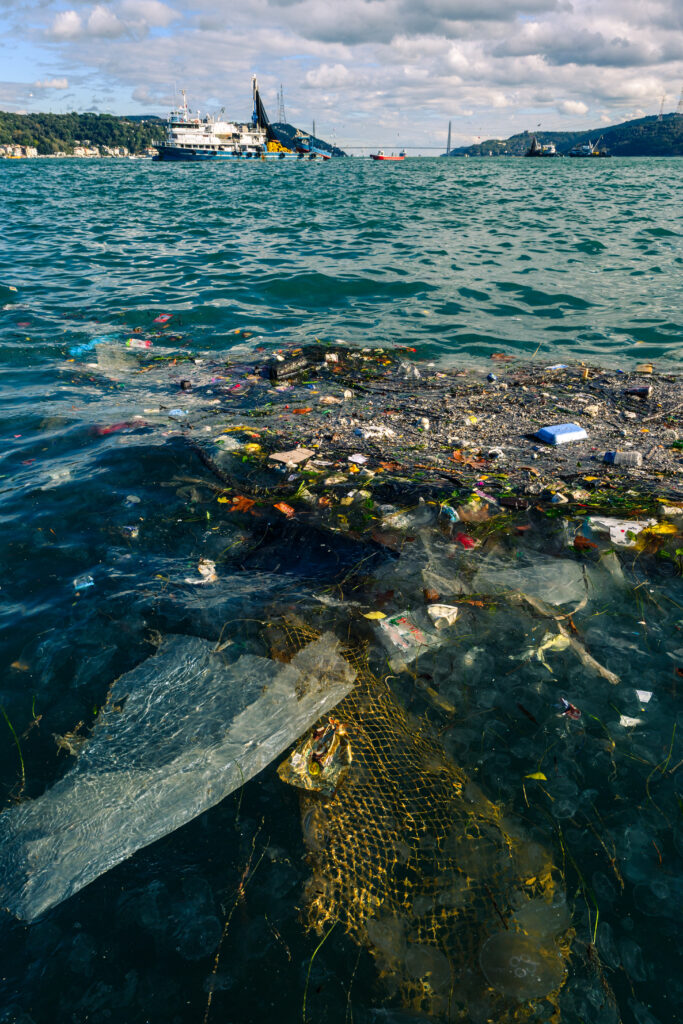
Turkiye, Istanbul, 2026-11-06. Multiple pieces of waste, including a fishing net, float on the waters of the Bosphorus the day after a particularly active day of fishing. Sariyer Bay, one of the few…
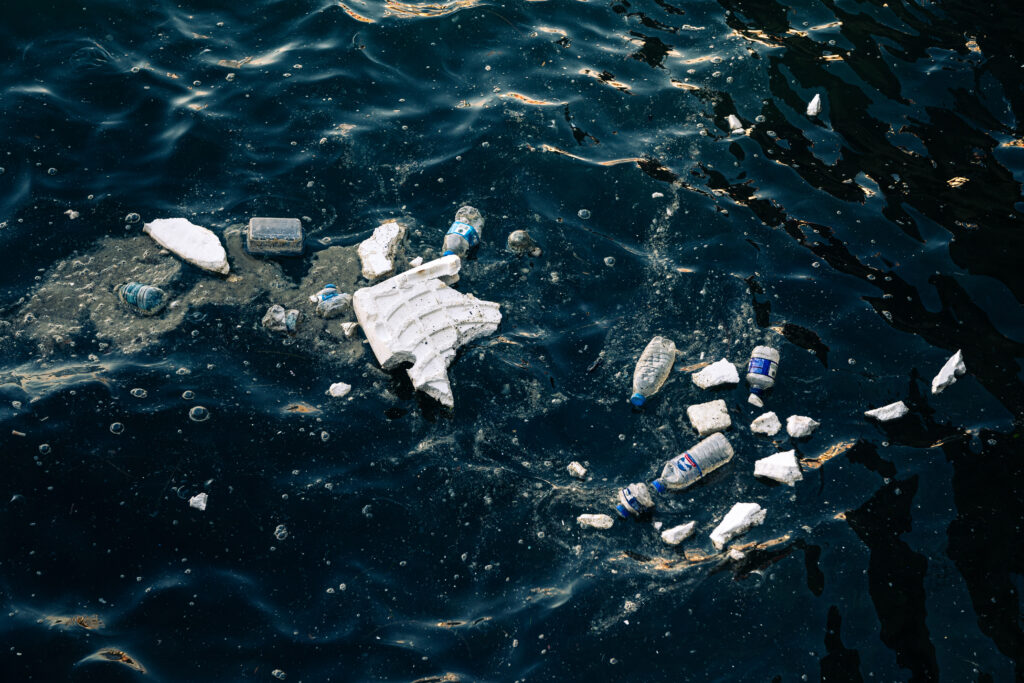
Turkiye, Istanbul, 2026-11-06. Pieces of polystyrene float on the waters of the Bosphorus the day after a particularly active day of fishing. Thousands of boxes of polystyrene are used by fishing…